Where to fly RC planes and drones in the US: club fields, parks, FAA recreational rules, the 250 g registration line, Remote ID and FRIAs, and AMA membership costs.
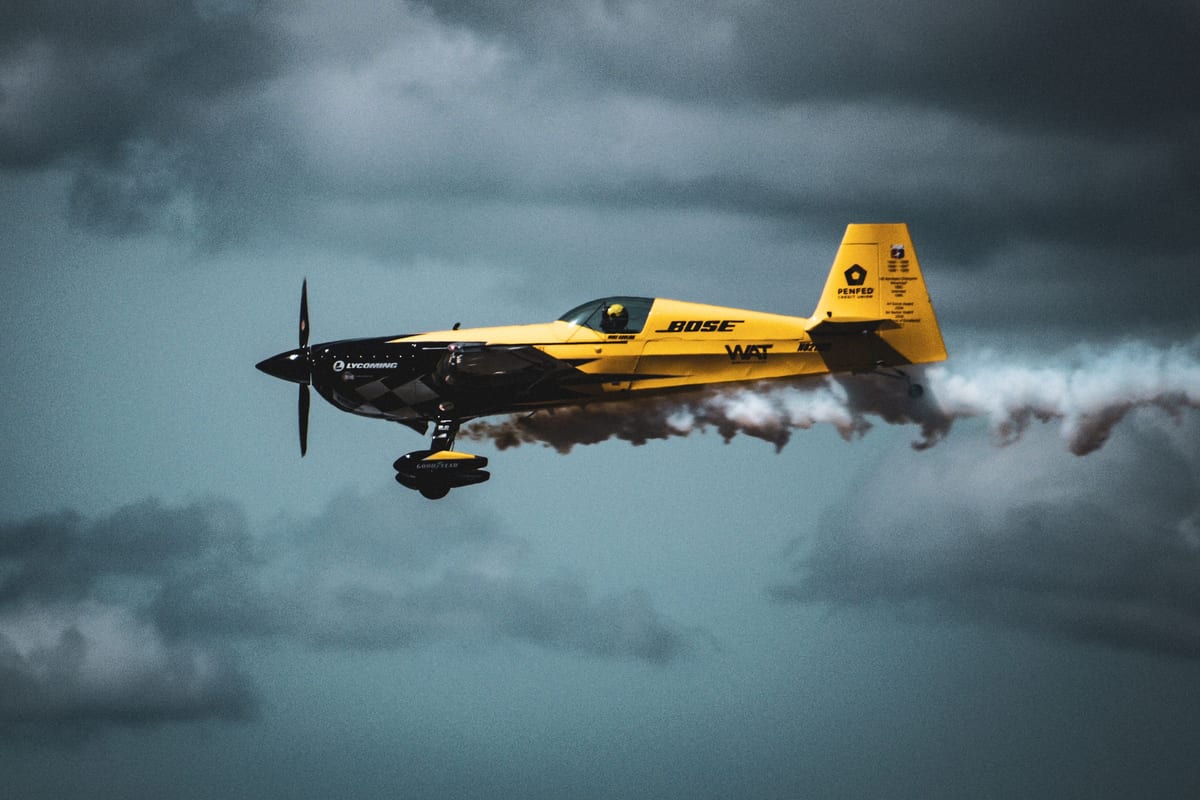
In the US, the simplest place to fly an RC plane or drone is a club flying field: a mowed or paved runway, posted field rules, and pilots who can help you trim a new model. Find one in the flying field directory and ask the club about membership. Anywhere else, you need four answers first: what the FAA's recreational rules require, whether the aircraft must be registered, whether it needs Remote ID, and who controls the ground you take off from.
Start with club fields. The US flying sites list holds more than 2,000 fields and indoor sites, most of them AMA club fields, and each listing shows what the club permits (jets, helicopters, multi-rotor, FPV, float planes) and what the field has (grass or paved runway, night flying, power, camping). Each state page counts those for you, so you can see before you drive which fields near you allow jets, drones or night flying. In Texas, for example, about a third of the listed sites have a paved runway.
Public parks are a local question. The FAA controls the airspace, but its 2023 fact sheet on state and local rules says states have a valid interest in where aircraft take off and land. Many city and county parks ban model aircraft or allow them only in a marked area, so read the park rules or call the parks department before you unpack.
National parks are mostly off the table. The National Park Service bans launching, landing and operating uncrewed aircraft in its parks unless a park allows it, and that policy is still in force (NPS). Check the park's website, or ask the superintendent whether an area or a special use permit is available. Private land works with the owner's permission, but the airspace rules below still apply there.
An RC model airplane is a small unmanned aircraft under the same law as a drone: the Exception for Limited Recreational Operations, 49 U.S.C. 44809. To fly under it, you must:
To check the airspace over a spot, use one of the B4UFLY apps from the FAA's approved providers. They show controlled airspace, temporary flight restrictions and national parks on a map. The rules above are summarized on the FAA recreational flyers page.
Yes, if it weighs more than 0.55 lb (250 g) at takeoff, counting everything on board. That line is lower than it sounds: a 3S 2200 mAh pack alone weighs about 170 to 185 g, so any model that carries a pack that size is over it. Only micro and ultra-micro models stay under.
Registration through FAA DroneZone costs $5, lasts three years and covers every aircraft you own and fly recreationally. Mark the registration number on the outside of each model and carry the certificate when you fly.
Since September 16, 2023, any aircraft that has to be registered also has to broadcast Remote ID, either built in or through a broadcast module, unless you fly it inside an FAA-Recognized Identification Area (FRIA). Only FAA-recognized community-based organizations and educational institutions can request a FRIA, so they tend to be club fields and school sites. Inside one, you and the aircraft stay within its boundaries and the model stays in sight. The FAA links its FRIA map from its FRIA page.
Usually yes. AMA chartered clubs require the members who fly to hold AMA membership on top of club dues. As of November 2026, AMA lists adult membership at $89 a year ($79 at 65 and over), youth under 19 at $20, a Park Pilot membership at $52 and a three-month trial at $23.95 (AMA enroll page). Full membership includes $2,500,000 of personal liability coverage; Park Pilot carries $500,000, covers park flyer models only, and each club decides whether Park Pilot members may fly its field.
Not ready to join? The AMA Intro Pilot Program lets a non-member fly one-on-one with a club's Intro Pilot Mentor for up to 90 consecutive days, covered by AMA insurance. It is a one-time benefit per person, the club cannot charge training fees, and a buddy box is recommended but not required. The AMA club finder can filter for clubs that run it.
Look one state over: the state pages list every field with its city, and a club an hour away is often worth the drive for a trainer and an instructor. In the meantime, a light park flyer at a park that allows it is a good way to learn the sticks. If you fly at a field the directory is missing, add it to the flying field directory so the next pilot who searches finds it.