Selling a whole RC collection without losing a weekend or money: lot vs piece-out, triage tiers, pricing, fast photos, and where each car sells best.
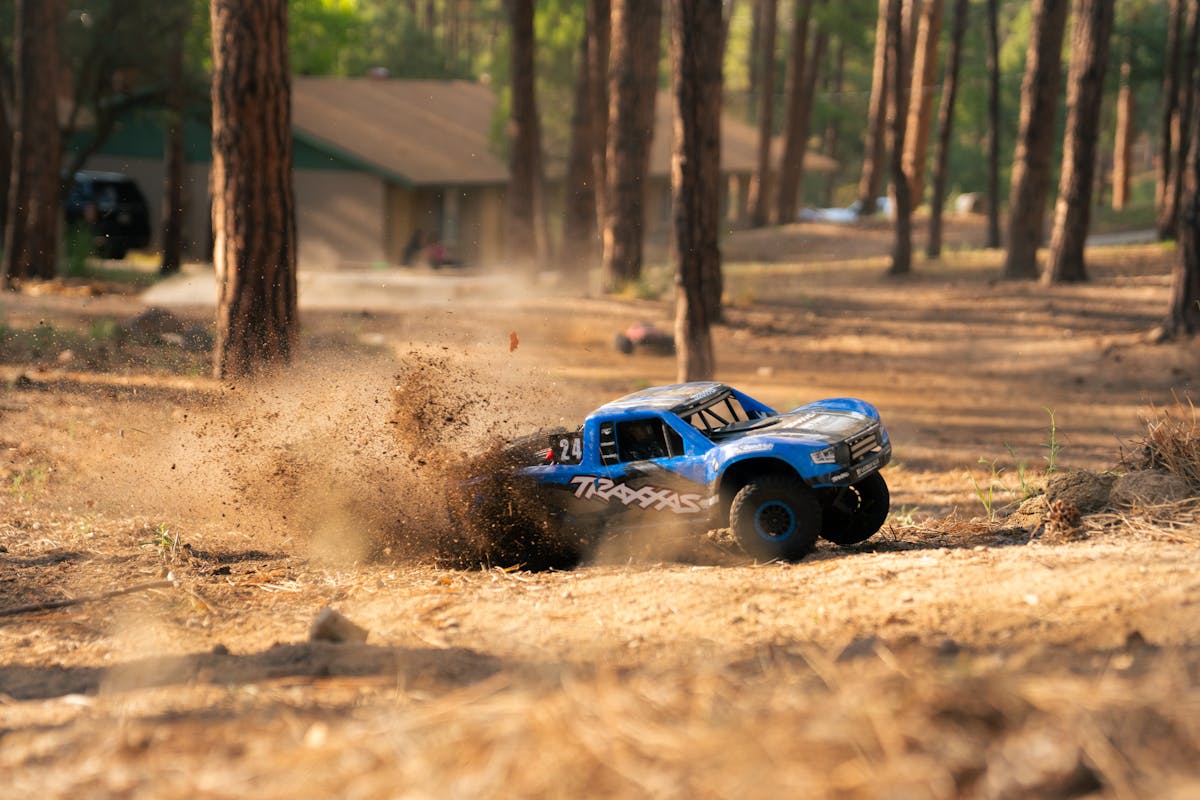
Selling one RC car is easy. Selling twenty at once is a project, and without a plan you'll either leave hundreds of dollars on the table or spend three weekends taking photos and answering "will you take $40 shipped" messages until you hate the hobby.
I've thinned out my own shelf twice and helped clear two collections that weren't mine. Here's how I'd do it starting today.
This is the fork in the road. Piecing out, meaning listing each car and spare and radio separately, will earn you 30 to 50 percent more money. A clean Team Associated B6.4 with a good servo and no ESC sells for real money on its own. Buried in a "huge RC lot" it's worth a fraction of that to whoever's brave enough to buy the pile sight unseen.
The catch is that piecing out costs roughly ten times the effort. Ten separate listings, ten sets of photos, ten shipping quotes, ten buyers who all message at once and half of whom vanish. A single lot sells in one transaction, usually local pickup, cash, done in a weekend. So the real question isn't which makes more money, it's how much your time is worth and whether you want to run a small business for a month.
My rule: if the collection has three or more cars that individually clear $150, piece those out and lot the rest. Mixing the two approaches is almost always right.
Dump everything on a table. Every roller, every runner, every box of parts. Then sort into three piles.
Be honest in the triage. The temptation is to promote everything up a tier because you remember what you paid, and what you paid is irrelevant now.
This is the boring part that makes all the money. One row per item, five columns: model, condition, comp, floor, tier. Don't skip it because it feels like homework, since a collection you can see at a glance is one you can price and defend.
On condition, be blunt: new-in-box, built-never-run, runner, roller with no electronics, or parts. For the comp column, look up what the same thing actually sold for lately rather than what three optimists are currently asking. There's a whole piece on figuring out what an RC car is worth if you want to fill that column properly.
The floor price is the number you'll actually accept, set once, in cold blood. Write it down now so that three weeks in, when you're tired and someone lowballs you, you're not negotiating against your own fatigue.
The mistake is treating each car like a photo shoot. Set up one spot, a table by a window with a cheap poster board or a bedsheet behind it and your phone propped at a fixed angle, then run the cars through assembly-line style. Same light, same background, same five angles every time: front three-quarter, rear, top-down chassis, the wear you're not hiding, and one shot of it powered on if it runs.
Shoot everything in one sitting and sort the files after. Twenty cars is maybe ninety minutes this way instead of two days. Natural light beats any lamp you own, so do it mid-morning near a window.
Show the flaws on purpose. A photo of the cracked A-arm or the stripped diff kills the "but you didn't mention" refund fight before it starts, and buyers trust a seller who points at problems. Vague photos read as hiding something even when you're not.
That's a different problem. You've got a garage full of RC cars someone left behind and no idea whether it's treasure or a haul to the dump. First, don't price by size, because the little ones are sometimes worth more than the big trucks.
Look for names molded into the chassis or printed on the shock towers: Tamiya, Kyosho, Associated, Losi, HPI. Photograph the whole car plus any chassis stamp and drop it somewhere people know this stuff. The folks in the RC community and creators here will identify a mystery car from one decent photo faster than any search. Vintage Tamiya especially can be worth real money to collectors and you'd never guess which ones from looking.
Batteries are the one thing to handle carefully. Old NiMH is fine, but any puffed or swollen LiPo goes straight to proper disposal, not a sale.
The nice runners and desirable individual cars belong in front of people who specifically want RC gear, so list those on the marketplace rather than burying them in a general classifieds feed next to used couches. Skim the wanted board first too. If someone's already asking for exactly the truck you're holding, that's a sale before you finish the photos.
Bundles do well in the same place, since complete ready-to-run packages photograph well and appeal to the parent buying a first setup. The parts lot is either a local pickup or you eat the shipping cost, so price it to just move.
On timeline, set expectations. The strong individual cars might sell in days. The middle bundles take a couple of weeks of patience. The parts lot can sit a month before the right tinkerer finds it, and that's normal, so don't drop your floor on the good stuff just because the junk pile is slow.
Shipping a stack of cars is its own skill, so read packing RC cars so they survive the trip before the first one sells rather than after.
Start with the triage table. Once your sell-alone pile is sorted, make an account and get the two or three best cars listed first. Those are your momentum, and a couple of quick sales make the rest feel like less of a chore.