How to turn your RC parts drawer into cash: what sells solo vs in lots, pricing against new, why clear bodies beat painted, and titles that get found.
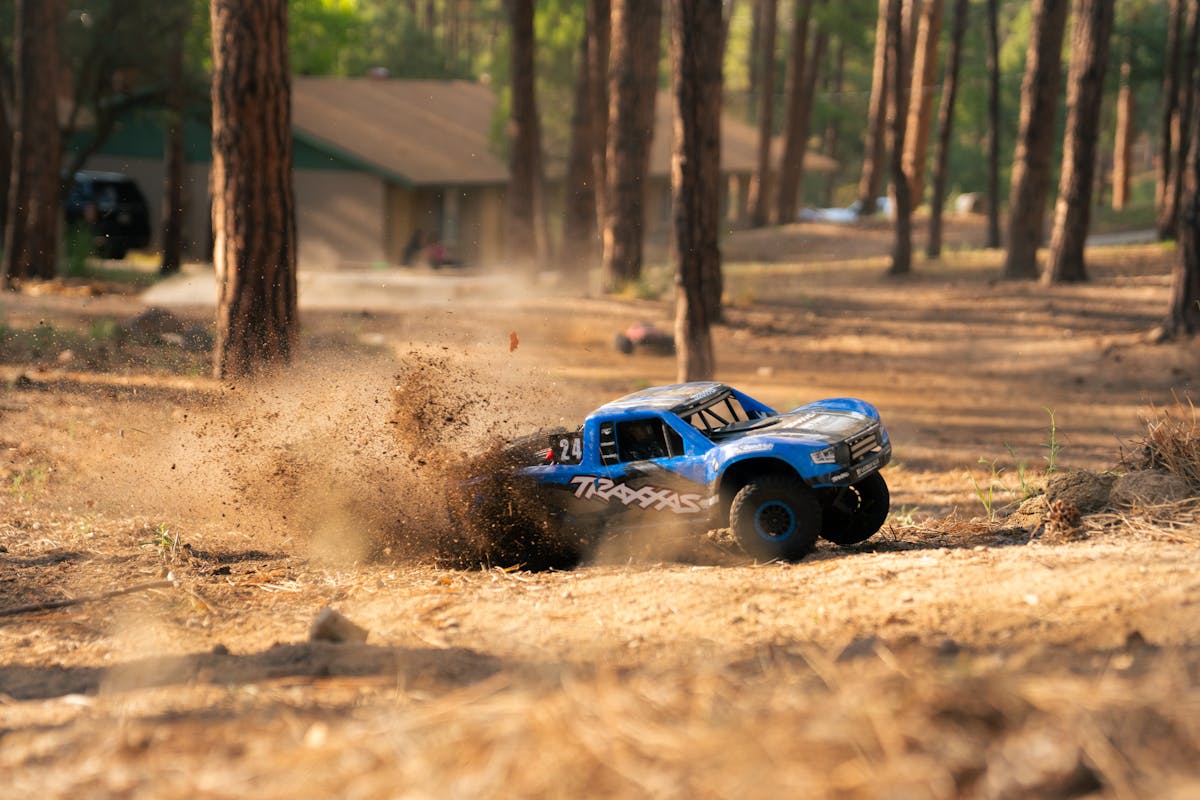
Open the drawer. You know the one. The takeout container full of stripped screws, half a set of shock caps, a servo you pulled from a truck you sold two years ago, and three bodies with the paint half peeled off. That drawer is worth money. Not a fortune, but real money, and more importantly it's money someone else is actively hunting for right now.
I've sold a lot of parts over the years. Some of it went fast for good prices. Some of it sat for months because I priced it like new and photographed it like garbage. Here's what I've figured out about moving RC parts and bodies without wasting everyone's time.
The thing that took me a while to trust is that there's a buyer for almost everything. Somebody snapped the exact steering block you have a spare of. Somebody's building a shelf queen out of a discontinued Losi chassis and needs one specific bulkhead that hasn't been in stock anywhere since 2019. That's the whole economy here. New parts go out of production, kits get retired, and the used market becomes the only supply.
Which means the boring stuff you'd never think to sell is often the stuff that moves. A used Hobbywing ESC that still works. A Spektrum receiver you don't need. A clean set of Arrma diff cups. None of it feels special to you because you have it. To the guy searching at 11pm after a bad crash, it's the part.
The dividing line is basically value density and searchability. Electronics sell individually, every time. Servos, ESCs, motors, receivers, transmitters — list those one at a time with the model name. A working Hobbywing Max10 or a Castle Sidewinder holds resale better than almost anything mechanical. Same with anything still new in package. NIP hop-ups, an unopened set of ProLine tires, a sealed pinion — list those solo and put "NIP" right in the title, because people search for exactly that.
Clean bodies sell on their own too (more on bodies in a second). And any part with a part number that people know — a specific TLR arm, an Associated shock tower, a Traxxas slipper assembly.
Everything else gets lotted. Hardware, mystery plastic, mixed screws, a shoebox of takeoff parts from one platform — bundle it. Nobody's paying shipping on a single M3 screw, and you're not photographing forty of them separately. A good lot is honest about what it is: "Arrma Kraton 6S parts lot — takeoffs, some wear, no electronics." Price it cheap, sell it as a grab bag, and let a builder or a basher sort through it. I move these on the marketplace as single listings with a big pile photo. They go.
The number that matters isn't what you paid. It's what a buyer would pay new right now for the same thing, and whether yours is still available new at all. Pull up the current retail price first. Then work down from there.
Used-but-working electronics, I usually land somewhere around 50 to 65 percent of new if the part's still sold, more if it's discontinued and hard to find. Mechanical takeoffs with wear go cheaper, maybe a third of new, because the buyer's gambling on remaining life. NIP stuff can sit close to retail if the item's out of stock everywhere else — scarcity is the whole reason they're buying used instead of clicking "add to cart."
The mistake I made for years was pricing sentimental. That $40 motor I loved isn't worth $35 used just because I liked it. If the current version sells new for $45, mine's a $22 part with hours on it. Check what's actually listed, undercut a little, move on. And if you genuinely don't know current pricing, browse the deals feed and current listings before you set a number — nothing kills a listing faster than being priced above new.
Here's the one that surprises people. Painted bodies sell worse than you'd expect. That gorgeous custom fade you spent an evening on? To you it's art. To a buyer it's someone else's paint scheme in a color they didn't pick, on a shell that's probably got a few chips and some tire rub. Custom paint is personal, and personal doesn't resell.
Unpainted clear bodies are the opposite. A brand-new clear shell — a JConcepts or ProLine body still in the bag with the window masks and decals — sells fast and close to retail, because the buyer gets to paint it their way. That's the product they actually want. If you've got clears sitting unpainted, list those with confidence.
For painted bodies, be realistic. Price them low, photograph the wear honestly, and describe the scheme plainly. Some people do want a ready-to-run painted shell for a basher and don't care about a few scars. Sell to that person, not to the fantasy buyer who'll pay premium for your art. And if a body's rough but the lines are good, sometimes the better move is pointing a buyer toward a painter to do a fresh custom instead — a clean used shell plus a paint job beats a tired repaint.
This feels backwards but it's the single best thing you can do. Show the flaws. Close-up of the tire rub. The chipped edge. The stripped screw hole. The scuff on the servo case.
Two reasons. First, it kills disputes before they start — nobody can claim you hid anything when the crack is the third photo. Second, and this is the part people miss, honest damage photos build trust for the whole listing. A buyer who sees you photographed the one flaw believes the rest is as described. I get fewer questions and faster sales on listings where I point the camera right at the problem. Good light, plain background, and one shot per issue.
Small parts are where sellers panic, and they shouldn't. A servo, an ESC, a handful of hardware — that's a padded envelope, not a box. In the US a bubble mailer under a certain weight ships for a few dollars, and that changes the math completely. A $12 part is worth listing when shipping is three bucks. It's not worth it when you box it like a kit and pay twelve.
Wrap the part, tape it so it can't slide, drop it in a padded flat mailer, done. Bigger stuff and full bodies need actual boxes and a little more care — I wrote the whole shipping breakdown separately in how to ship RC cars, and the box logic there applies to bodies too. But for the parts-bin stuff, keep it flat, keep it cheap, and you'll actually list things you'd otherwise toss.
This is where most listings die. Buyers search part numbers and model names, not descriptions. Put them in the title. "Hobbywing QuicRun 10BL120 ESC" gets found. "Fast brushless speed control good condition" does not. If the part has a number stamped on it, that number goes in the title. If it fits a specific platform, name the platform. If it's new in package, say NIP. Every real search term the buyer would type — front-load it.
One more angle worth knowing: buyers post what they're hunting for. Before you even list, it's worth checking the wanted board to see if someone's already asking for the exact part sitting in your drawer. Match a wanted post and you've got a sale before you've finished writing the title.
Go pull that drawer out, sort it into one pile of solo electronics and one lot per donor car, and post the first one tonight. The screws can wait. The servo can't.