The hands-on checklist for buying a used RC car without getting burned: what to spin, feel, and smell in person, the photos to demand remotely, and red flags.
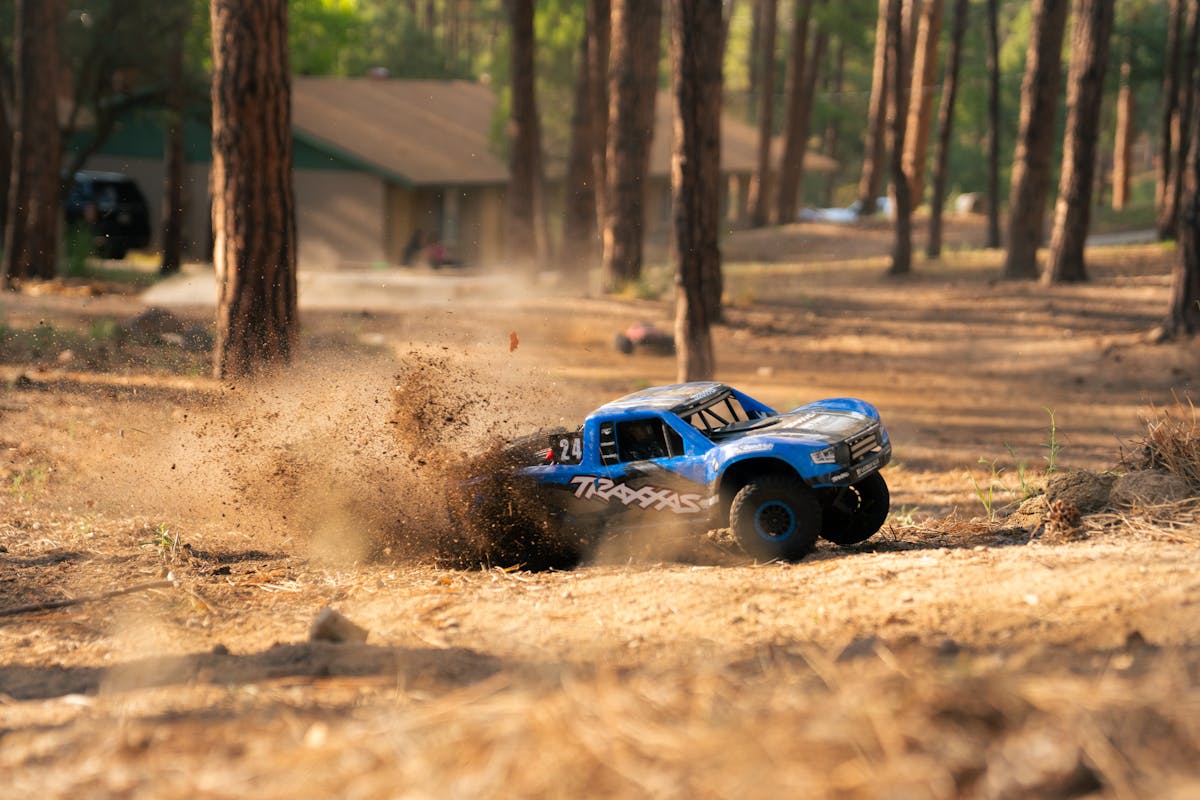
Buying used is how I've built most of my shelf. Somebody else paid the sticker price, ran it for a season, bolted on a set of aluminum arms and a nicer servo, then got the itch for the next thing and sold the whole rig for half of what they had in it.
But half price only counts if the thing isn't hiding a cracked chassis or a motor that's about to let go. So here's the checklist I actually run, in person and over the internet.
A new Arrma or Traxxas basher loses a big chunk of value the second it leaves the box, same as a real car. The difference is that RC guys upgrade constantly, so it's normal to find a $300 truck listed at $180 with a $90 servo, metal diffs and a set of ProLine tires already on it. You're buying the upgrades for pennies and the base rig for less than retail.
The catch is that you're also buying whatever the last owner did to it. Ran it hard on asphalt, never cleaned the diffs, stripped a shock shaft and meant to fix it. Most of that is findable in about ten minutes if you know where to poke.
If you can get hands on it, do this before money changes hands. Bring a small screwdriver and a shop rag. Five minutes, and it tells you more than any description.
Spin every wheel. All four, one at a time, feeling for smooth rotation and listening for grind. A wheel that spins gritty or stops dead means a blown bearing, and bearings are cheap but a seized one that's been run chews up hubs. Grab each wheel and rock it in and out on the axle, since any noticeable slop is a worn bearing or a loose hex.
Feel the diffs. Put the rig in neutral, hold two opposite wheels, and turn. A healthy diff is smooth and consistent. Notchy, gritty or clicking means the gear oil is gone or a diff gear is chipped. Turn the whole drivetrain a bit too and listen for anything grindy deeper in.
Work the shocks. Push each one down and let it back up. It should move smooth with damping, not scratchy, and the shaft should come back clean. A bent shaft, a scored line in it, or oil weeping down the body all mean a rebuild. Not a dealbreaker on a cheap rig, but it's leverage.
Smell the motor. On a brushed motor, spin it and take a whiff at the vents, because hot-solder or sharp burnt-electronics smell means it's been cooked. On brushless you can't smell much, so check the wires where they exit the can for melted insulation or discoloration and wiggle the sensor wire if it's a sensored setup. A Hobbywing or Castle system that's been run too hot will often show heat marks on the motor label.
Get under the grime. Chassis cracks love to hide under dried mud and traction compound, especially around the motor mount, the shock towers, and suspension mounting points. Wipe it down and actually look, then flex the chassis gently. Hairline cracks on a composite tub or a bent aluminum plate are exactly the kind of thing a seller didn't notice.
Most of the good deals aren't local, so you'll be buying off photos and a description more often than not. That's fine, I've bought plenty of rigs from three states away. You just have to make the seller do a little work first, and a seller who won't is telling you something.
Ask for a video of it running. Not a bench spin, actually driving, forward and reverse, on the ground. Ten seconds of it moving under its own power kills ninety percent of the "electronics are fine, I swear" problems. If they can't or won't shoot it, assume it doesn't run.
Then ask for specific photos rather than glamour shots. The bottom of the chassis, the inside of a wheel with the tire pulled back if they'll do it, a clear shot of the ESC and motor labels so you can read the model, and a close-up of the shock shafts. Ask what battery chemistry it's been run on and how many packs are through it. The answers, and how fast they come, tell you who you're dealing with.
Fresh spray paint on the chassis or suspension parts. Nobody repaints structural plastic for looks, they're covering cracks or stress marks. A repainted body is fine and normal. A repainted A-arm is a no.
"Just needs a receiver." Sometimes true, usually not. A receiver is a $20 to $40 part the seller could have dropped in before listing, and when they didn't, it's often because the problem isn't the receiver.
Stock photos. If they can't be bothered to photograph the actual item, you have no idea what you're getting. Reverse-image-search a photo if something feels off. Real listings have real, slightly ugly photos taken on a garage floor.
Vagueness about the exact model or year. RC gear gets revised constantly, and "it's a Slash" could mean a dozen different trucks across fifteen years. Vague on the details usually means vague on the condition too.
Price it off comps, not off the seller's number. Look at what the same model in similar shape has actually sold for lately, add up the upgrades at maybe forty to fifty cents on the dollar, and subtract for anything on your checklist that came up short. Blown bearings, a shock rebuild, tired tires, each of those is real money and a real reason to come down.
Don't lowball a genuinely clean rig from a straight-shooting seller, you'll just annoy them and lose it. Do push on the stuff you found. "I'll take it at your price if the front diff's good, but it's notchy, so figure a rebuild, can you do X?" is a fair, specific ask, and specific beats a random low number every time. The value guide walks through comping a model properly if you want real sold prices first.
Facebook groups and the big auction sites work, but you're wading through a lot of stock-photo nonsense and shipping headaches. I built the RC Paddock marketplace to be the version I actually wanted: real people listing their real rigs with the model and condition spelled out, and a lot of them keep garages and build logs so you can see how they treat their stuff before you ever message them.
If you're chasing a specific truck, post a wanted ad and let the sellers come to you, and if you're patient the deals page surfaces price drops as they happen.
Once you've got a couple of listings you like, run this checklist on each before you message anybody. And if you're buying remote, read trading safely so the handoff goes as clean as the inspection.