How to trade RC cars without getting burned: value both sides at sold prices, ship with tracking and dated photos, meet local, and know when to walk.
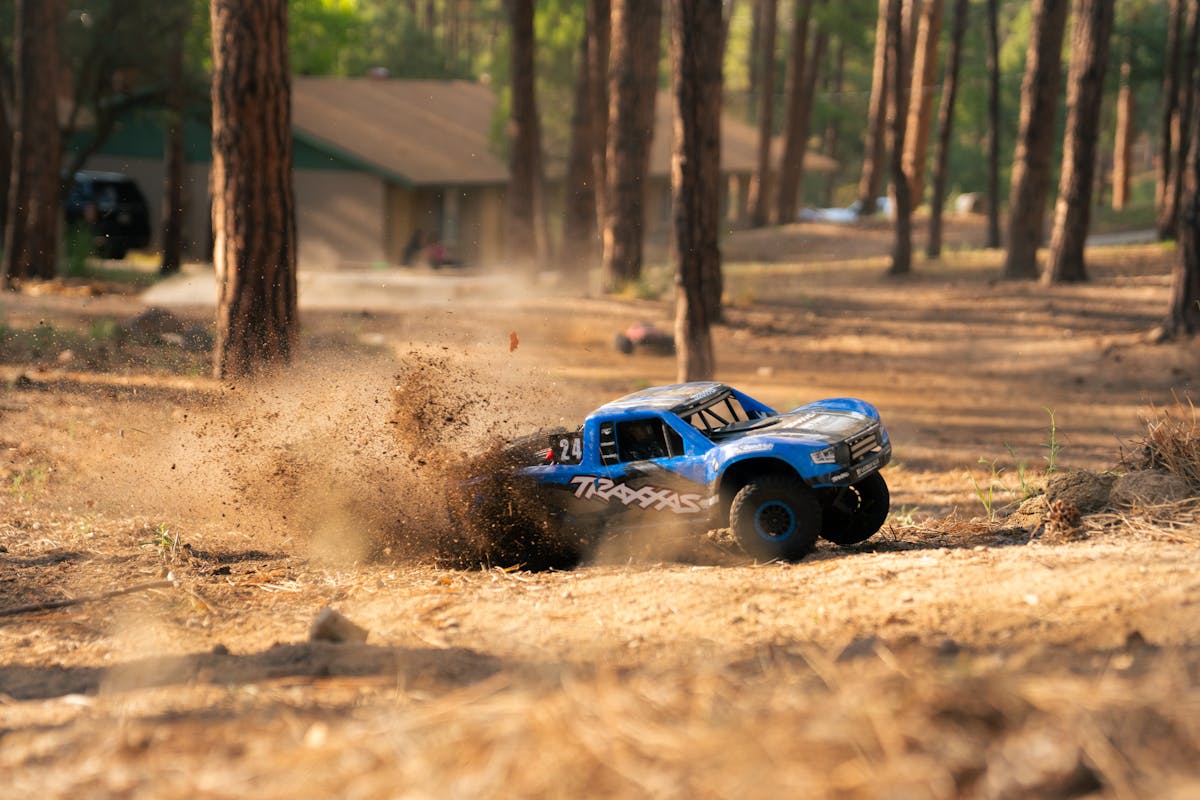
Nobody in this hobby has cash. We've all got a shelf of stuff we don't run anymore and we'd rather turn it into something we will run than sell it for PayPal that vanishes into a bill. So trades happen constantly. Your never-used Arrma Kraton for somebody's built-up Losi 22 5.0, maybe forty bucks moving one direction to even it up. It's a great way to move gear and it's also the easiest way to get burned if you go in loose.
I've done a lot of trades. Most were fine, a couple taught me things the hard way. Here's how I set them up now.
This is where most trades go sideways before anyone ships anything. You look at your truck and see the $260 you spent, plus the aluminum hop-ups, plus the Saturday you spent building it. The other guy sees a used truck.
The only number that matters is what the thing actually sells for. Not the retail sticker, not the total of your receipts. Go look at what's actually moved recently and comp both sides honestly. A three-year-old Traxxas Slash with a worn slipper and a scuffed shell isn't a $200 truck just because that's MSRP, it's whatever the last four sold ones went for, minus wear.
Hop-ups almost never return their cost. That $90 of aluminum arms might add $25 to a trade value, and some buyers actively don't want them, since aluminum transmits more shock into the chassis and breaks more expensive things on a hard hit. Electronics hold value better, so a Castle Mamba or a Hobbywing Max is real money while a tired NiMH pack is worth about nothing. Comp the pieces, not the pile.
Two piles rarely come out dead even and that's fine. "My roller plus $60 for your RTR" is a completely standard structure, and so is trading two lesser things for one nicer thing. The mistake isn't adding cash, it's being cagey about it and springing it late.
Name the cash direction and amount up front, in writing, before either of you commits. When money moves alongside a trade it goes PayPal Goods and Services, not Friends and Family, even in a trade. Whoever's sending the cash adjustment wants that protection and a straight trader won't fight you on it. If someone insists on Friends and Family for the cash leg, that tells you something.
Here's the hard part. In a sale, one person pays and the other ships, the platform holds the money, and there's a paper trail. In a trade, both boxes need to move, and physics doesn't let two packages cross in the mail with an escrow in the middle. Somebody's box lands first.
You manage that risk rather than eliminating it. What I do, roughly in order of how much it matters:
If you can meet in person, do it. It solves the entire shipping problem in one move. Both piles are on the table, both people inspect, and if something's off you don't do the deal and you go home. No tracking, no "it was fine when I shipped it," no two-week limbo.
Hobby shop parking lots and track days are where this happens. Post in the wanted section for what you're after and mention you'll trade, or bring the roller you're trying to move to your next race. A lot of the best trades I've made started as "hey, is that the truck you were thinking of selling?" in the pits.
Meet somewhere public and busy, the shop counter or a track's tech table, not a stranger's driveway. Bring a charged pack and a transmitter so you can run the thing before gear changes hands, because a motor that sounds fine on the bench can be cooked under load.
If you don't know where the shops and tracks near you are, the directory of tracks and hobby shops is the fastest way to find a meetup spot with foot traffic. The shop guys have usually seen the local traders too.
This protects you as much as the other guy. Before anything ships or changes hands, write down and photograph the real condition. The cracked shell tab, the stripped screw, the tire that's chunked, the servo that's a little slow to center. Say it out loud in the messages: "runs great, but heads up, the left rear tire is worn and the body has a hairline crack behind the wing mount."
Disclosing flaws doesn't kill trades. Hiding them kills your reputation, and in a hobby this small reputation is the whole currency. The trader who says "here's everything wrong with it" gets more repeat deals than the one whose stuff always arrives worse than described.
Some deals you leave on the table. Walk when the other person won't share tracking or dodges the timestamped-photo ask. Walk when they push for a rushed close, because "someone else wants it, decide now" is pressure and pressure hides problems. Walk when the value only pencils out if you count your hop-ups at full price. Walk when a brand-new no-history account wants you to ship a valuable item first. And walk when your gut's uneasy and you can't say exactly why. I've ignored that feeling twice and regretted it both times.
There's always another truck. A trade that falls through costs you nothing but a little time, and a trade that goes bad costs you the gear, the money, and a weekend of stress.
If you'd rather skip the two-way logistics entirely, selling one thing for cash and buying the other clean is sometimes just simpler, and where to actually sell used RC gear lays out that side. Whichever way you go, run the pile you're receiving through the used-RC buying checklist before you call it done, then go list the stuff you're trading away so the right person can find it.