A plain-English guide to your first RC race: what to bring, how qualifying and mains work, turn marshaling, picking a beginner class, and pit etiquette.
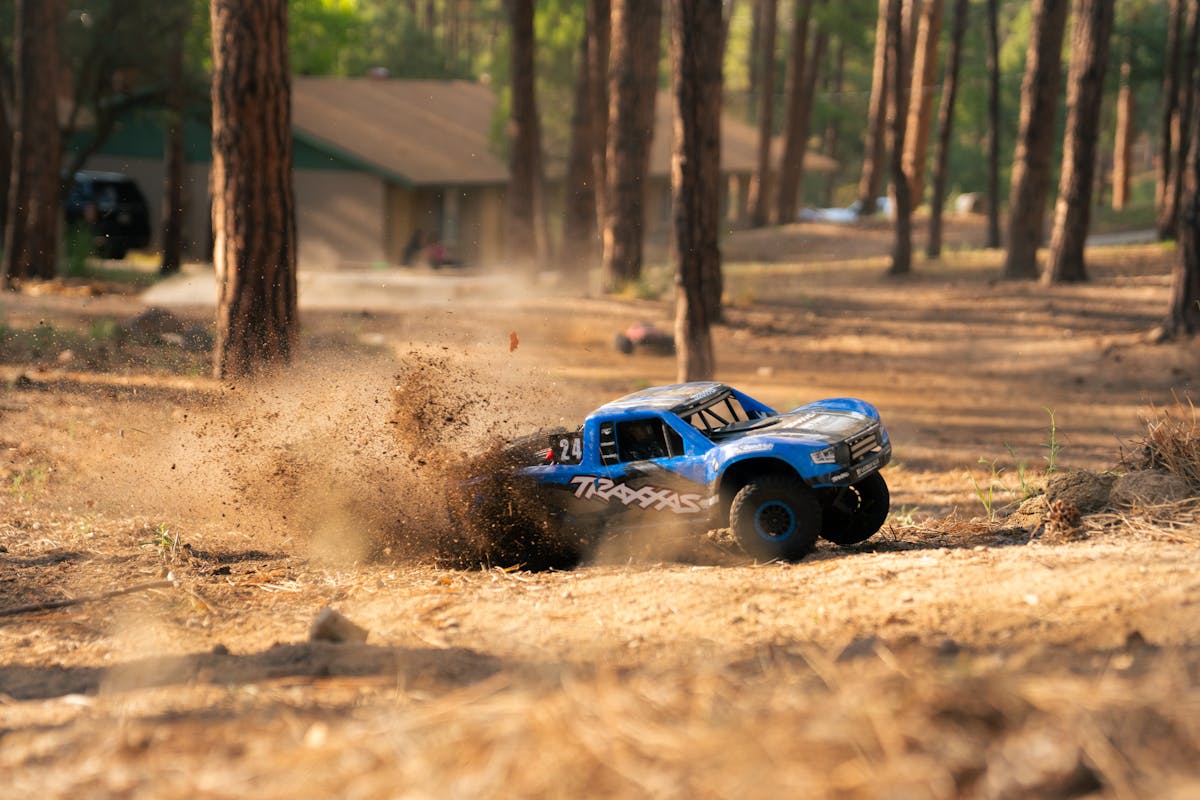
You've been ripping around the parking lot or the backyard track and now you want to actually race. Racing made me a better driver faster than any amount of solo bashing ever did. It also scared me half to death the first time, because I showed up with no idea how any of it worked and spent the morning feeling like the one kid who didn't get the memo.
Here's the memo, written so you can walk in, hand over your entry fee, and not feel lost.
New people think everyone's watching them flail. They're not. The regulars at a local club track are almost to a person thrilled that a new face showed up, because a grid that doesn't grow is a grid that eventually dies.
You will be slow. You'll crash on the straight, miss the same corner four laps in a row, and get lapped by the fast guys twice. Every single person there did exactly that once. Tell the guy next to you in the pits that it's your first race and nine times out of ten he'll walk you through the whole day and hand you a spare part when yours breaks. The RC crowd is weirdly generous like that.
You need less than the internet tells you, but a few things aren't optional.
Bring a folding table if the track doesn't provide pit space, since a lot of outdoor clubs expect you to bring your own. A power strip, because there's never enough outlets and you'll be sharing a wall with ten other people. Your charger and enough charged packs to get through the day, which for me is four on a stock class day and two at absolute minimum. A basic tool roll with hex drivers in your car's sizes, a 5.5mm and 7mm nut driver, side cutters and threadlock.
Then the stuff people forget. Spare tires already glued and ready. A couple of the spare parts that break, which for most cars means a front bumper, a set of turnbuckles or steering links, and a spur gear. Zip ties. A rag. And a chair, an actual chair, because you'll be there five or six hours and standing on concrete all day is its own punishment.
You show up, register, pay (usually $15 to $30 for a club race), and get assigned a transponder number and a class. The transponder is the little device that counts your laps as you cross the timing loop. Some tracks make you buy a personal one, and a MyLaps unit runs about a hundred bucks, but almost every club has rentals for a few dollars a day. Don't buy one until you know you're sticking around.
The morning is open practice, so use it. Get your car on the track, learn the layout, and find out if anything's about to fall off. After practice the day breaks into two parts, and this is what confuses everybody:
Rounds are short. Most club heats run four or five minutes plus a lap, which goes by fast and is plenty when you're still learning to keep the thing pointed the right way.
Here's the unwritten rule that catches new people off guard. After you race a heat, you stay on and marshal the next one, which means standing at your corner and flipping cars back over when they crash. It's the tax everyone pays, and skipping out on it is the fastest way to make people not like you.
To be good at it, watch the whole track rather than just your corner so you see cars coming. When one flips near you, get to it quick, set it down pointed in the racing direction and not backwards into traffic, and get your hands clear fast. Don't stand in the racing line and don't stare at your phone. The regulars notice when you do it well, even if they don't say anything.
Start in a stock or novice class. The temptation is to run the fastest thing you've got, but a modified buggy that hits 45 mph is unraceable when you can't yet hold a lap, and you'll spend the day marshaling your own car off the boards.
Stock classes like 17.5T or 13.5T touring, stock short course and novice buggy cap the motor so speeds stay sane and the racing stays close. Slower cars are easier to drive and the mistakes are cheaper. Whatever's most popular at your local track is usually the right answer, because a full class of ten cars is better racing than being one of two in some exotic class. Ask at registration what beginners run there.
If you're not sure what your car is competitive in, pull up a couple of proven baseline setup sheets for your chassis before you go. A known-good starting setup beats a mystery, and you can put a few side by side on the compare tool.
After each round, spend two minutes writing down what the car did. Pushed in the fast sweeper. Loose on power out of the hairpin. Battery felt done at four minutes. Then make one change, just one, and see what it does next round. Changing five things at once teaches you nothing because you can't tell which one helped.
That debrief habit is the biggest thing separating people who get better from people who plateau. It's also where a written setup sheet pays off, since you can log exactly what you ran and roll it back if the change was a dud. If reading one is still a foreign language, how to read a setup sheet breaks down every box.
Find a club race near you and go watch one first if you're nervous, since nobody will bat an eye at a spectator. Most tracks post their schedule weeks ahead. Browse tracks and shops on the places directory and check the events calendar for the next club race day within driving distance. Pick one, bring a chair, and tell someone it's your first time.