RC tracks near me? Most hide in private Facebook groups. Here's how to find one, what to check before you drive out, and what to do if there's none nearby.
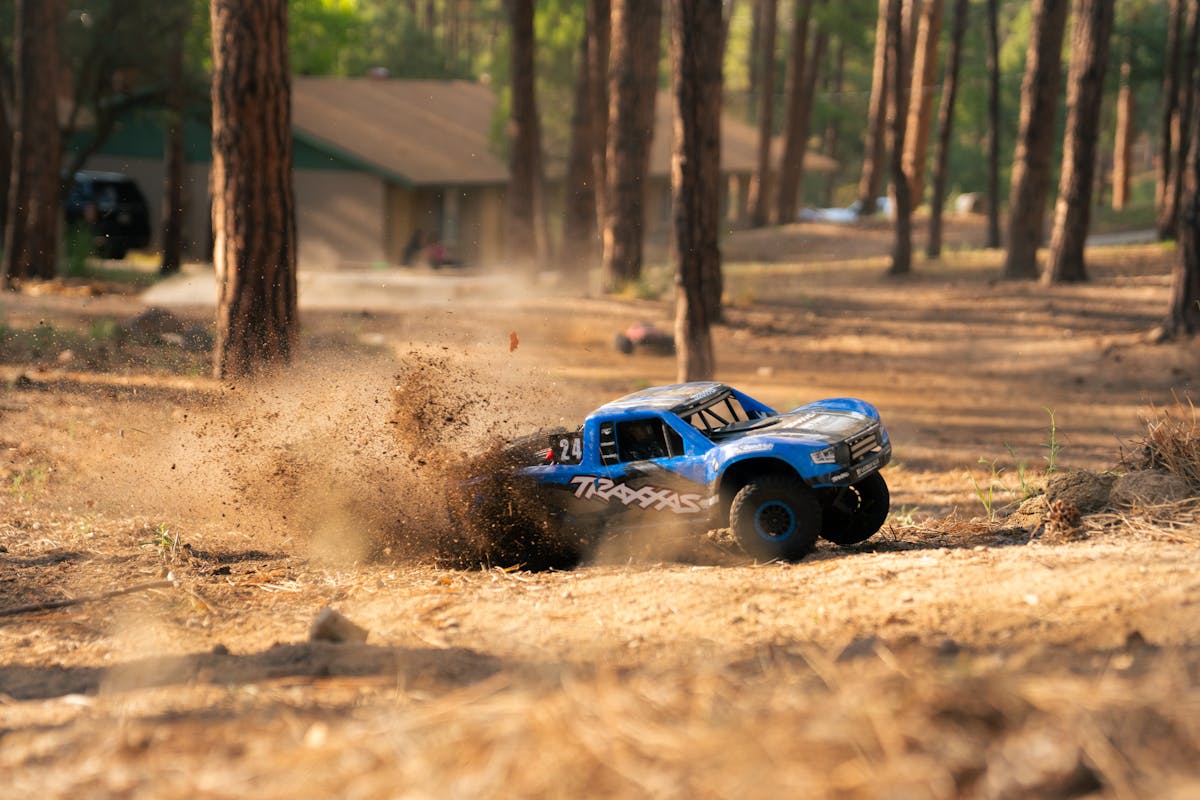
The hardest part of RC isn't driving the car, it's finding somewhere to drive it. There's probably a track within 40 minutes of you right now, running a points series, with a dozen regulars who'd happily loan you a tire wrench. And you have no idea it exists.
That's not your fault. RC tracks are some of the worst-marketed businesses on earth. Most of them live entirely inside a private Facebook group or, worse, one guy's memory. No website, no Google listing. I've driven to a lot of tracks over the years, some worth the gas and some very much not, and this is how I go about finding them.
The hobby runs on word of mouth and closed groups. A track opens, the owner makes a Facebook group called something like "Central Valley RC Racing," posts the weekly schedule there, and that's the entire marketing plan. Google can't see inside that group and neither can you unless you already know the name to search for. You have to be plugged in to get plugged in.
Hobby shops complicate it further. Half the tracks in the country are behind or beside a hobby shop, and the shop's website, if it has one, talks about the shop and not the track. So the track ends up a footnote on a page you'd never think to visit. That's exactly why I built the places directory, to pull all of that out of Facebook's basement and onto a map you can search by state and country.
Not all tracks are the same sport, and this trips up new people constantly. Show up to the wrong surface with the wrong car and you'll have a miserable afternoon.
Outdoor clay is the classic. Groomed dirt, jumps, usually big 1/8 and 1/10 buggy and truck classes with Losi, TLR, Team Associated, Tekno and Kyosho. It's dusty, weather-dependent, and the most fun most days. If a track floods they're closed for a week.
Indoor carpet or turf runs year-round and doesn't care about rain. Carpet is grippy and technical, which is where the Xray and Schumacher and Associated on-road crowd lives, plus a lot of indoor buggy. Traction is high so you're on different tires and usually a completely different setup. Great in winter.
Oval is its own tribe. Dirt or asphalt, cars turning left all day, dialed in and fast. Smaller scene, fiercely loyal people. If you like tuning more than jumping, oval might be your thing.
Crawler courses mostly aren't racing at all. Rock gardens and scale trails, slow and technical, Axial and Traxxas TRX-4 territory. Nobody's on a stopwatch and that's the point. Very chill and very welcoming to beginners.
Parking-lot on-road is the informal one, where a club marks out a track with cones on a smooth lot or a go-kart track and runs touring cars or F1. Cheap to run, easy to start, and it dies the moment the property owner changes their mind.
If any of those class names are gibberish, read the classes explainer first. It'll save you buying the wrong car for the tracks near you.
Who runs the place changes what your day feels like.
A commercial track is a real business with posted hours, a counter, batteries for sale and a paid race director. Reliable, a little pricier, open when it says it's open. A club track is run by volunteers on club-owned or rented land. Cheaper, sometimes fantastic, and sometimes locked because the one guy with the key had a work thing. A hobby-shop track is the friendliest on-ramp, since you can buy a body, a tool and a race entry in one stop and the counter staff actually know the local classes.
For a first outing, start with a hobby-shop track or a commercial one. The structure helps when you don't know anyone yet.
Open the places directory and browse by your state, or country, since there are tracks and shops listed well outside the US now. Every listing is meant to be a real spot: a track, a hobby shop, or a bash-friendly place, not a Facebook rumor. Filter to what's near you, read what surface and classes each one runs, and shortlist the two or three worth a drive.
Then check the events calendar before you load the car, which is the step people skip. A track being open and a track running your class today are two different things. Wednesday might be carpet on-road only. Saturday might be the points race where everybody shows up. You want the busy day for your first visit, not the empty one.
If it's your first race and the nerves are kicking in, the first race day guide walks through tech inspection, the driver's stand, and not being the guy who crashes into everyone in turn one.
Sometimes the map comes up empty, and that's a real answer for a lot of the country. You've got two moves.
First, find a bash spot. An empty lot, a BMX track after hours, a dry retention pond, a friend's big yard. A Traxxas Slash or an Arrma Granite doesn't need a groomed course to be a blast, and bashing is where most of us started anyway. It's low stakes and you learn to drive.
Second, start a club night. This is less crazy than it sounds. Get three or four people, pick a smooth parking lot or a patch of dirt, mark a track with cones or PVC, and run heats off a phone timer. That's how half the tracks that exist today began. Once you've got a spot and a schedule, add it to the directory so the next person who searches for RC tracks near them finds you instead of a dead Facebook group.
Start by opening the places directory and searching your state. Even one track within driving range changes the whole hobby for you.