What custom RC body painters charge, how to brief one, how to ship a shell without crushing it, and how to find a painter worth the wait list.
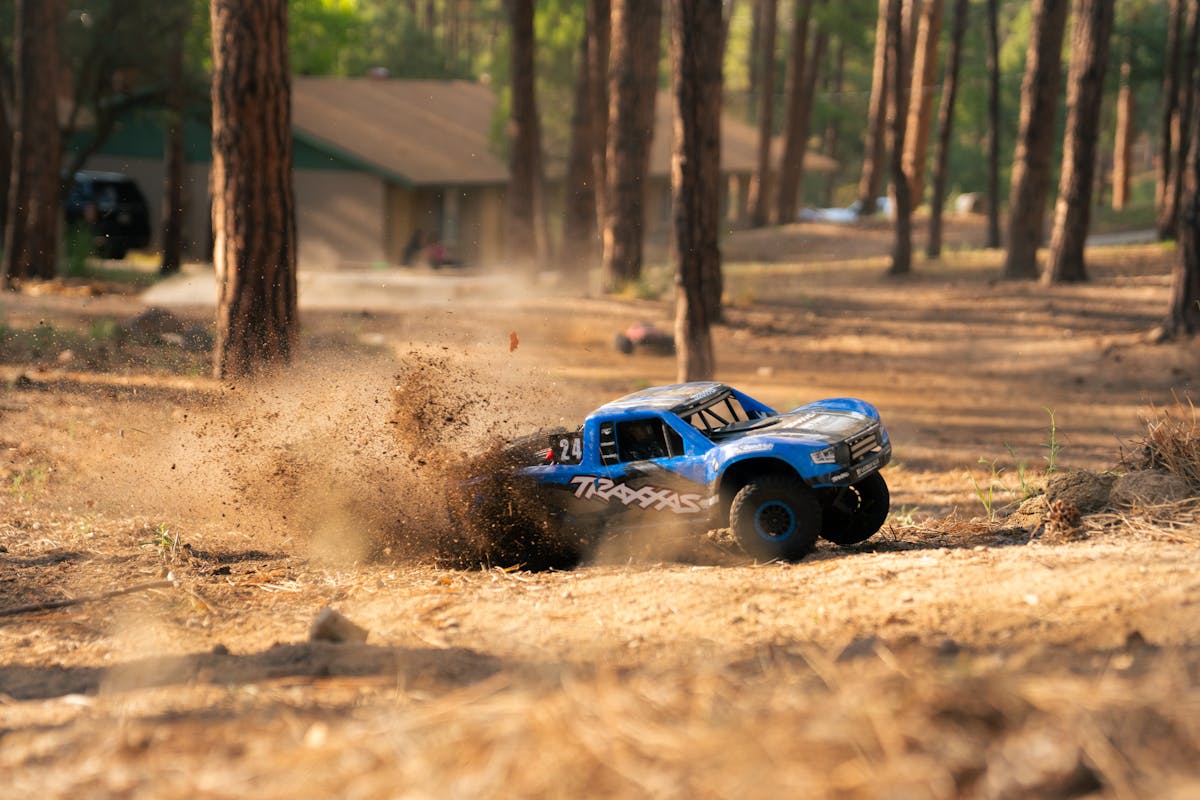
A good paint job is the one thing that makes people at the track walk over and ask about your car. Doesn't matter if it's a beat-up Slash or a shelf-queen Xray. Clean paint reads as care, and everyone can tell the difference between a factory-print body and one somebody laid down by hand.
I've painted plenty of my own bodies and I've also paid other people when I wanted something I couldn't pull off. So here's how commissioning a custom RC body actually works: what it costs, how to not annoy your painter, and how to get the thing to them in one piece.
There are two jobs hiding under the words "custom paint" and they cost wildly different money.
The first is a clean livery. Two or three colors, sharp masking lines, maybe a fade, sponsor logos cut from vinyl or masked and sprayed. No freehand art. This is what most people actually want and it's what makes a race body look sharp under the lights. Someone with good masking discipline can knock one out in an afternoon and the result looks a hundred times more expensive than it was.
The second is airbrush art. Real freehand work: flames, skulls, scales, a marble fade that shifts color as it wraps the shell, candy over metallic base coats. That's a different skill entirely. The person doing it is an artist who happens to work on Lexan and they charge like one. If you've seen one of those bodies where the paint looks three inches deep, that's layered candy and clears over a base, and it takes hours.
Remember the whole thing is painted from the inside, which is why details go on first and the base color goes on last. It's also why a good painter's masking has to be perfect, since there's no sanding out a mistake on the back side of clear Lexan.
Prices bounce around by region and by how backed up the painter is, but here's the range I see hold up.
Most painters want you to supply the body. Some stock common shells like a ProLine or JConcepts touring body and roll it into the price, but assume you're buying the blank. Paint, masking film and their time are what you're paying for.
The good ones also have wait lists. If someone can start your body tomorrow, that's either a red flag or you got lucky. The painters worth paying are booked out weeks and sometimes a couple of months, because word gets around and everyone wants the guy whose lines are dead straight. Don't commission a body the week before a big race and expect miracles.
The single biggest thing you can do is send reference images. Not "something blue and aggressive," actual pictures. Screenshots of a full-size race car livery, a photo of another RC body you liked, a scheme off a touring car. Whatever's in your head, find a picture of it.
Then tell them exactly which body, brand and model. An Arrma Infraction body and a ProLine short-course truck body for a Slash are completely different canvases, and a painter needs to know the panel lines and window shape before they can plan masking.
Be honest about your deadline. If you need it for a race on the 20th, say so up front and accept that the answer might be no. A painter who tells you no is doing you a favor, because the ones who say yes to everything are the ones whose bodies show up late and rushed.
Give color direction but leave room. Tell them the two or three colors that matter and let them handle the fades and accent choices, because that's what you're paying for. Micromanaging every panel usually produces a worse result than trusting the person who does this every week.
Lexan is tough until it isn't. An unpainted or freshly painted shell will take a crease if you pack it wrong, and a crease in clear Lexan is forever.
Ship it uncut if you can, with the protective film still on the outside. Stuff the inside loosely with crumpled paper or bubble wrap so the shell holds its shape and can't fold. Then put that in a box big enough for padding on every side, because a body rattling around in a tight box is a body with a new dent. Never let the walls of the shell touch the walls of the box.
Include a note in the box with your name, the color scheme, and your reference images printed out or a link to them. Painters juggle multiple bodies at once and a shell with no paperwork is a headache. There's a longer writeup on packing and shipping RC gear if you're mailing anything bigger than a body.
This used to be all word of mouth and Facebook groups. You'd see a body at the track, ask who did it, and hope the guy still took commissions.
The painter directory here is meant to fix that. You can browse painters, look at real portfolios of their work, and see who's near you or who ships. Look at the portfolio hard before you commit. You want straight lines, clean masking edges, and consistency across several bodies rather than one lucky photo. If their fades are smooth and their logos are sharp, the rest usually follows.
Looking through other people's garages and build logs is another good way to find painters, since people tend to credit whoever did their shell. And if you strike out finding the exact body you want painted, someone's probably selling a blank in the marketplace.
If you want a clean two-tone and you're patient, learn to do it. Masking film, a couple of cans of Lexan-specific paint like Tamiya PS or Spaz Stix, and an afternoon gets you a body you'll be weirdly proud of, and every one after that gets better. The cost of a single commission buys you enough supplies to paint five shells.
Commission when you want art you can't do yourself, when your time's worth more than the money, or when it has to be perfect for something that matters. I do both depending on the week.
If the DIY itch is real, start with painting your own RC body. If you'd rather hand it to a pro, go browse the painters and find whose work makes you stop scrolling.