A 10-minute post-run routine that prevents most RC failures: air-and-brush cleaning, the screw check, bearing feel test, crack hunt, and LiPo storage charge.
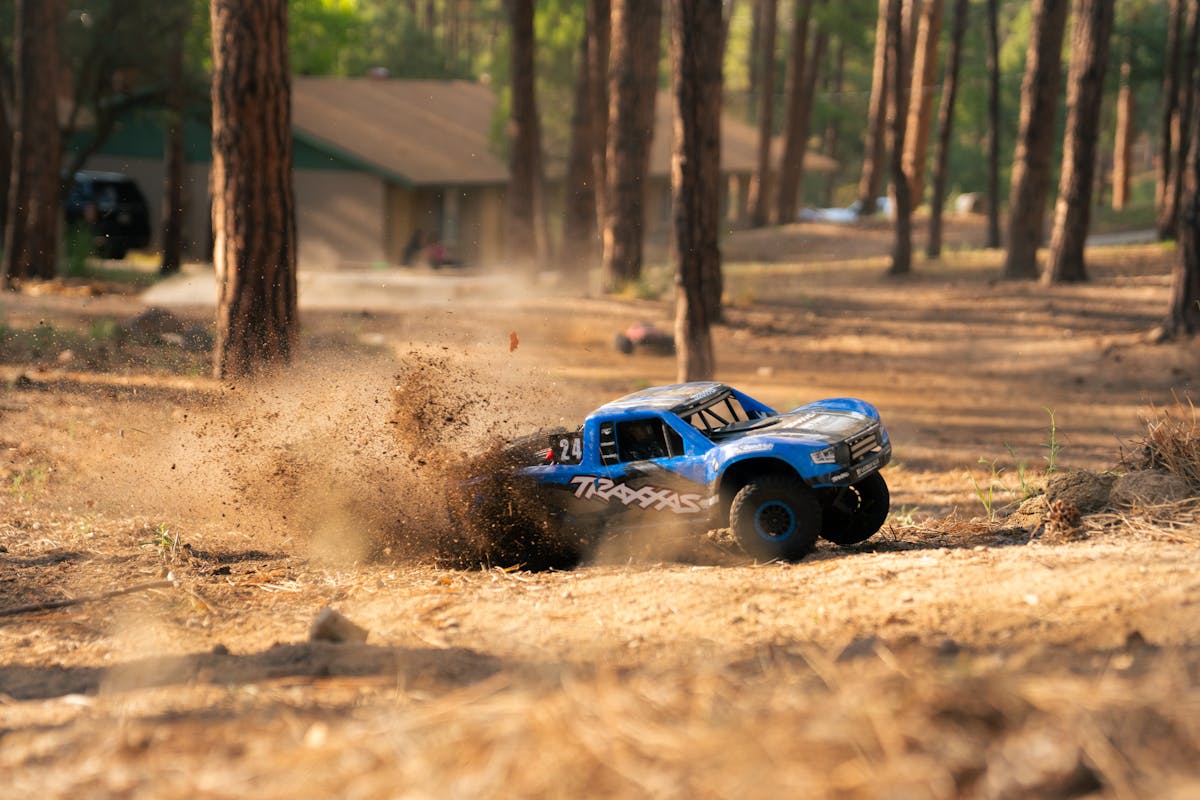
The run is the easy part. What you do in the ten minutes after the run is what decides whether that car lasts five years or falls apart by spring. I've killed more parts through neglect than through crashes, and I don't say that proudly.
So this is my after-every-run routine. It's short, and it catches the small stuff before it turns into expensive stuff. Do it while the battery's cooling and you'll barely notice the time.
Most of the failures I see, stripped screws, dead bearings, cracked arms that let go mid-jump, start small and give you warning. You just have to look. Here's the order I go in:
Dirt is abrasive. It gets into bearings, packs behind seals, and grinds your diffs down a little every run. But the way most people clean is worse than the dirt, because a garden hose blasts water past every seal you own and straight into the receiver box.
A cheap air compressor is the single best RC cleaning tool I own and I fought buying one for years. Even a little pancake compressor from the hardware store will blow packed dirt out of places a brush can't reach. Canned air works in a pinch but you'll go broke on cans. Blow the loose stuff off first: chassis, arms, around the motor, the diff cases.
Then a brush. I keep two, a stiff parts brush for the chassis and drivetrain and an old toothbrush for tight spots around the shock towers and steering. Dry brushing knocks off most of what the air missed.
For caked-on grime, Simple Green diluted about 1:1 with water. Don't spray it over the electronics, just dampen the brush, work the area, wipe it down. I stay away from harsh solvents like brake cleaner near plastics, since a lot of them cloud or crack polycarbonate over time.
One rule I don't break: no water into the motor, ESC or receiver. Waterproof-rated gear like most Traxxas and Arrma stuff shrugs off splashes, but waterproof means it survives the run, not that you should power-wash it and let it sit wet.
Vibration backs screws out and hard landings back them out faster. The first time you lose a hub because two screws walked out you'll start doing this, so just start now.
I take the right-size driver and touch every screw I can reach: suspension, hubs, shock mounts, servo, motor mount, and the diff and gearbox screws if they're exposed. Not cranking, just checking each one is snug and catching the ones that turned a quarter turn loose. On a fresh car after the first few runs you'll find a bunch, and after that it settles down.
Threadlock trips people up. Blue only, metal-to-metal only. A screw threading into steel or aluminum gets a small dot of blue. A screw going into plastic gets nothing, because threadlock can attack some plastics and make them brittle, and the plastic thread grips fine on its own. Never red on an RC car unless you enjoy drilling screws out.
With the battery out, spin each wheel and give it a slow turn. A good bearing spins smooth and quiet. A dying one feels gritty or notchy, or drags like it's full of sand, which it is. Do the same on the drivetrain by rolling the car.
A rough bearing is cheap to replace and murder to ignore. It'll bind, drag your runtime down, cook the bearing next to it, and in a diff it can take teeth with it. Rubber-shielded bearings survive dirt far better than open ones and a full set runs fifteen to thirty bucks. If cleaning and re-oiling doesn't fix a gritty one, replace it.
Plastic suspension arms, steering knuckles, shock towers and battery straps develop stress cracks, usually a fine white line where the material is fatiguing. Caught early it's a two-dollar part swapped on your schedule. Ignored, that one line becomes three, the arm snaps on a landing, and you've taken out the shock and a turnbuckle with it.
So run your thumb along the arms and flex them a touch, looking for stress whitening and hairlines, especially around the screw holes and hinge-pin ends where load concentrates. Composite and nylon arms give you warning, brittle plastic sometimes doesn't.
While you're in there, eyeball the shock shafts for bent rods and the bodies for oil weeping down the side. A little film is normal. A shock that's visibly wet or has gone soft wants a rebuild, and I wrote up the whole shock rebuild process separately.
This is the one that quietly costs people the most money. A neglected LiPo doesn't fail loud, it just puffs, loses capacity, and one day won't hold a charge. Never leave a LiPo sitting fully charged or fully drained, because both are hard on it.
If you're not running again in the next day or so, put your packs to storage voltage, roughly 3.8 volts per cell. A good charger from Hobbywing, ISDT or SkyRC takes them up or down with one button. Keep packs in a fireproof bag or an ammo can rather than loose on the workbench. There's more to say about pack care in the LiPo battery care guide. And if a pack comes off the track puffed, hot or acting strange, that's a different problem, covered in the won't-run troubleshooting guide.
Once a month, or every dozen or so hard runs, I go a layer deeper than the ten-minute pass.
None of it is hard. It's paying attention on a schedule instead of finding out at the track.
A clean, sorted car photographs better too, so throw it up in your garage build log. And when you finally retire a part or a whole roller, it moves faster in the used listings when buyers can see it was looked after.