How to really waterproof an RC car: the marketing gap, what dies first, sealing methods ranked by effort, the after-run routine, and snow-running notes.
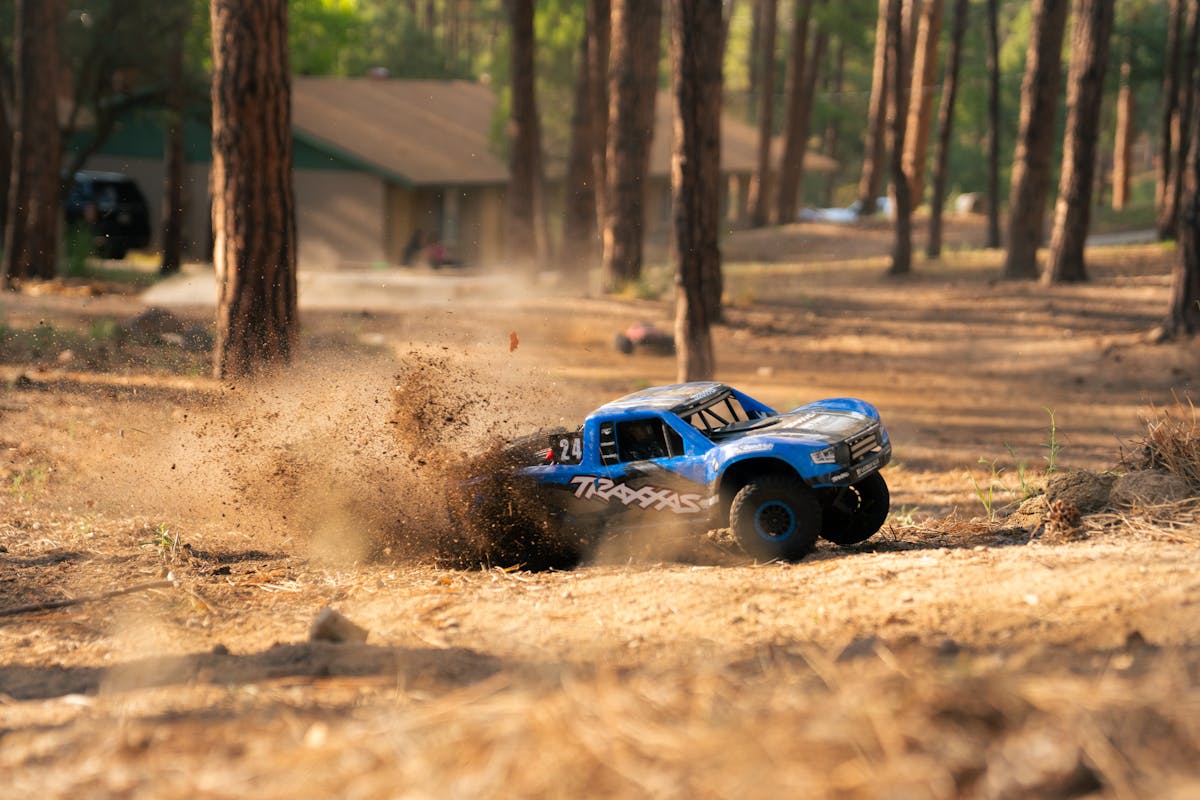
The sticker on the box and the reality in a mud puddle are two very different promises. I've run trucks through creeks, snowbanks, and one memorably bad idea involving a flooded parking lot, and I've fried enough electronics to have opinions about it.
So here's how water actually gets into an RC car, what dies first, and how to keep running when everyone else is packing up because it started to drizzle.
When Traxxas or Arrma stamps "waterproof electronics" on the box, they mean the ESC and receiver are sealed well enough to survive wet grass, puddles and light snow. That's genuinely useful, and it's not a submarine rating. Run a waterproof Slash into six inches of standing water and hold it there and you'll find trouble.
The gap is in the parts they don't advertise. The receiver box gasket is real. The servo depends on the servo. The bearings are not sealed against water in any meaningful way, ever. The marketing is technically honest and practically incomplete. Read the box as "you can run in the wet," not "you can drown this."
After enough dead parts you learn the failure order, and it's remarkably consistent.
The receiver is number one and it's not close. It's a tiny circuit board full of exposed contacts living in a box sealed with a foam gasket that hardens and shrinks over time. Water gets in, bridges two pins, and now your truck is doing donuts at full throttle while you fumble for the kill switch. A soaked receiver doesn't always die outright either. Sometimes it goes intermittent, which is worse, because you'll chase that glitch for weeks.
The steering servo is second. A cheap analog servo has a potentiometer and a little PCB inside, and the case is held together by four screws and hope. Water gets in past the output shaft or the wire lead, corrodes the pot, and your steering starts jittering or centering wrong. The servo guide covers which ones actually hold up.
The bearings are a slower death but a guaranteed one. Water flushes the grease out of your wheel and diff bearings and rust starts within a day if you don't dry them. They don't fail dramatically, they just get gritty, then loud, then seized.
Notice the ESC and motor aren't high on that list. A modern sensorless brushless setup from Hobbywing or Castle handles water surprisingly well because there's nothing delicate to bridge, and the motor can run wet and dry itself out. It's the little brains that hate water, not the muscle.
Lowest effort, real return. A tube is five bucks and lasts years. Smear it into your receiver plug contacts, servo connector, battery leads, anywhere metal meets metal. It displaces water and stops corrosion on the pins. This is the first thing I do to any new truck, waterproof-rated or not.
Old-school and it works. Stuff your receiver inside a balloon or the finger of a nitrile glove, run the wires out the neck, and zip-tie it snug. Twenty cents, five minutes, and your most vulnerable part is genuinely sealed. It looks janky and it works better than half the sealed boxes on the market. I still do this on anything I plan to run in real water.
The nuclear option, and it's excellent if you're willing to open things up. Conformal coating (MG Chemicals sells the acrylic stuff hobbyists use, and Corrosion-X is the popular alternative) is a thin lacquer you brush or spray onto the bare circuit board, sealing the electronics themselves rather than the box around them. Mask the connectors and the antenna, coat everything else, let it cure. A coated receiver shrugs off water that would kill a bare one.
The catch is that it voids warranties and one slip onto a connector contact can brick the board. If you're not comfortable pulling the lid off your receiver, skip it and lean on the balloon plus grease.
You can seal everything perfectly and still lose parts to rust, because the damage happens after you get home. Water that got in has to come back out, and if you let it sit overnight you wake up to corrosion.
After any wet run: pull the body, wipe everything down, and blow the water out of the crevices with a cheap electric leaf blower or a can of compressed air. Spin every wheel by hand and listen, and if a bearing sounds like sand, pop it out. Get water out of the motor with short throttle blips, battery in and wheels off the ground, so it spins itself dry. Then re-oil the bearings and any exposed metal with a light oil before you put it away.
Ten minutes, and it's the difference between a truck that lasts years and one that's rusty by spring. The whole checklist is in the post-run maintenance guide, and honestly it matters more than the sealing does.
Snow is easier than mud in one way and harder in another. Easier because dry powder isn't liquid water and doesn't get into things the way a puddle does, at least while it's cold. Harder because the second you bring the truck inside, all that snow melts at once and you've got water everywhere plus condensation on cold electronics.
So seal it like normal, run it, then let the truck warm up gradually before you tear into the after-run routine. Going straight from 20°F to a warm garage fogs up every board. Expect your LiPo to sag hard in the cold too, since a pack that gives you 15 minutes in summer might give you eight when it's freezing, so keep spares warm in your jacket. And grease your bearings a little heavier, because thin oil turns to molasses in the cold and the drivetrain feels sticky.
There's a line, and it's deep standing water plus a LiPo. A pack that gets submerged and shorts can vent or catch fire, and no amount of dielectric grease changes that. If you're running near water deep enough to float the truck, that's a NiMH day or a don't-do-it day.
Same logic for salt water. Salt is brutally corrosive and it gets everywhere, and even a full teardown and rinse afterward often can't save the bearings and the servo. Beach running looks great in videos and it quietly destroys trucks. If you must, treat it as disposable and expect to rebuild.
If you're buying a truck specifically to abuse in the wet, look for a factory-sealed receiver box and a metal-geared, water-rated servo already installed so you're not rebuilding on day one. Plenty of well-loved bashers come up used with the waterproofing already sorted, so it's worth a scan through the listings before you buy new. The FAQ covers the "is this thing actually waterproof" question for a bunch of the common platforms.
Start with the five-dollar tube of dielectric grease tonight, then read the after-run routine before your next wet session. That order will save you more parts than anything else here.